
Comprehensive neurological evaluation and personalized care for sleep disorders, helping address poor sleep, daytime tiredness, breathing problems, and other sleep-related concerns.
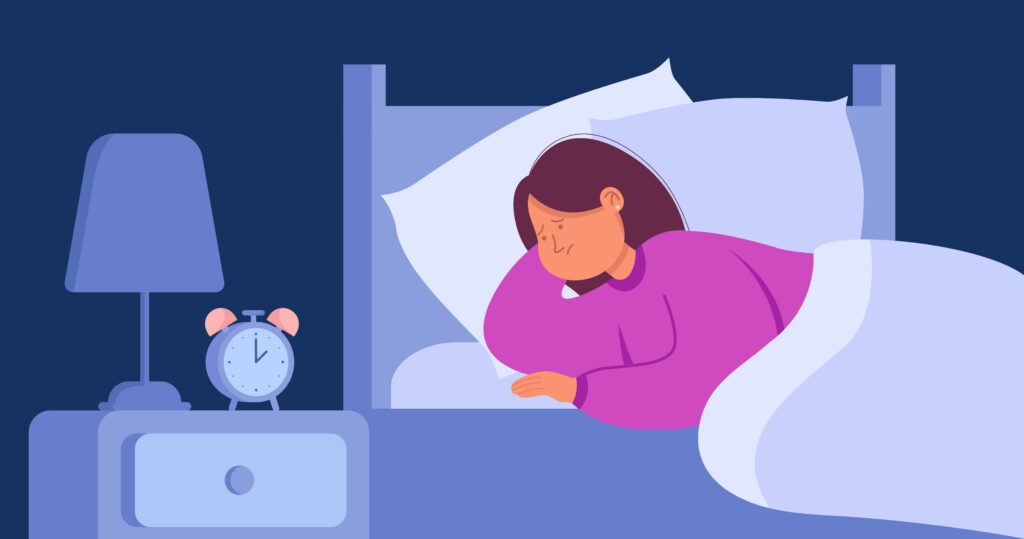
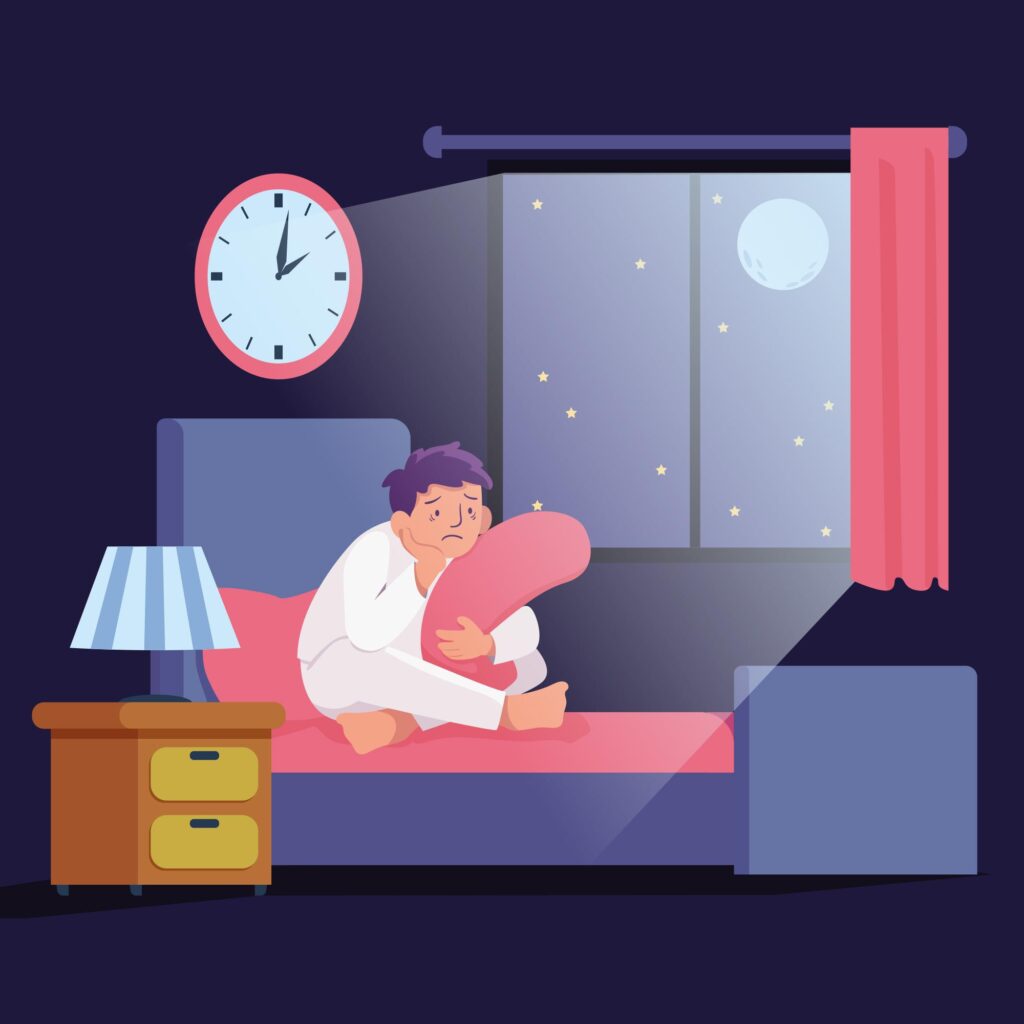
Sleep disorders are conditions that affect the quality, timing, duration, or normal pattern of sleep. They may cause difficulty falling or staying asleep, excessive daytime sleepiness, unusual movements during sleep, or changes in breathing while sleeping.
Common sleep disorders include insomnia, sleep apnea, restless legs syndrome, narcolepsy, and other conditions that can affect sleep and daytime functioning. Identifying the underlying cause through proper evaluation can help guide appropriate treatment and improve sleep quality and overall well-being.
Sleep disorders can affect both nighttime sleep and daytime functioning. Symptoms may vary depending on the type and underlying cause of the sleep problem.
Taking a long time to fall asleep or repeatedly struggling to settle at bedtime may indicate an underlying sleep problem.
Repeatedly waking during the night or having difficulty returning to sleep can lead to poor-quality and unrefreshing sleep.
Loud snoring, gasping, choking, or pauses in breathing during sleep may indicate a sleep-related breathing disorder.
Persistent sleepiness or fatigue during the day may affect concentration, alertness, work performance, and everyday activities.
An uncomfortable urge to move the legs or repeated movements during sleep can interfere with restful and continuous sleep.
Poor sleep can contribute to problems with attention, concentration, memory, mood, and daytime mental performance.
Sleep-Wake Cycle Changes
Neurological Conditions
Stress, Medicines & Lifestyle
Family History
Increasing Age
Excess Weight
The doctor reviews sleep patterns, symptoms, daily routines, medications, medical conditions, family history, and daytime effects. A sleep diary may also provide useful information.
A clinical examination assesses overall health and neurological function while looking for conditions or physical factors that may contribute to sleep problems.
Depending on the symptoms, polysomnography, home sleep testing, actigraphy, blood tests, or other investigations may be recommended to identify the underlying sleep disorder.
The findings are reviewed to identify the likely sleep disorder and develop an individualized treatment plan based on symptoms, underlying causes, and overall health.
Consistent sleep schedules, regular activity, and appropriate bedtime routines can support better sleep and healthier sleep-wake patterns.
Cognitive behavioral therapy for insomnia can address thoughts and habits that interfere with sleep and improve long-term sleep quality.
Depending on the diagnosis, medicines may be considered to manage specific sleep problems or symptoms after appropriate medical evaluation.
When sleep apnea is diagnosed, treatment may include CPAP or other breathing devices, lifestyle measures, oral appliances, or selected procedures.
Treating contributing conditions such as pain, anxiety, thyroid problems, medication effects, or other health issues may improve sleep quality.
Consult Now
Persistent sleep problems, excessive daytime sleepiness, or unusual nighttime symptoms should be evaluated when they begin affecting daily functioning, health, or safety.
✓ Persistent Difficulty Sleeping.
✓ Excessive Daytime Sleepiness.
✓ Loud Snoring or Breathing Pauses.
✓ Repeated Nighttime Movements.
✓ Sleep Problems Affecting Daily Life.
✓ Sleep Symptoms Affecting Safety.
Sleep disorders are conditions that affect the quality, timing, duration, or normal pattern of sleep. They can cause problems with sleeping, breathing, movement, or daytime alertness.
Symptoms may include difficulty falling asleep, frequent waking, excessive daytime sleepiness, loud snoring, breathing pauses, restless legs, unusual movements during sleep, or difficulty concentrating during the day.
Causes vary depending on the condition and may include irregular sleep schedules, medical or neurological conditions, stress, medicines, caffeine, alcohol, mental health conditions, and breathing problems during sleep.
Diagnosis usually begins with a detailed sleep history and clinical examination. Depending on the symptoms, sleep diaries, sleep studies, actigraphy, blood tests, or other investigations may be recommended.
Yes. Treatment depends on the specific disorder and may include healthy sleep habits, behavioral therapy, medicines, CPAP or other breathing devices, and treatment of underlying medical conditions.
Yes. Sleep apnea can repeatedly interrupt normal sleep and may cause excessive daytime sleepiness, fatigue, difficulty concentrating, and other daytime symptoms.
Consider an evaluation when sleep problems are persistent, daytime sleepiness is excessive, or symptoms such as snoring, breathing pauses, restless movements, or unusual nighttime behaviours are affecting daily life.
A consultation provides an opportunity to understand your sleep pattern, associated symptoms, and possible contributing conditions. Based on the findings, appropriate investigations, treatment, and follow-up can be discussed.
Dedicated to providing expert neurological diagnosis, compassionate patient care, and advanced treatment for a wide range of neurological disorders.
1st Floor,Ananda Varsha,above DCB Bank, Municipal Colony, College Square, Cuttack
+91 9938541722
pitamberbehuria82@gmail.com
Mon - Sat: 2.00 PM - 7.00 PM
© 2026 Dr. Pitamber Behuria. All rights reserved.