
Comprehensive neurological evaluation and personalized treatment for peripheral neuropathy, helping manage nerve pain, numbness, tingling, weakness, and related symptoms.
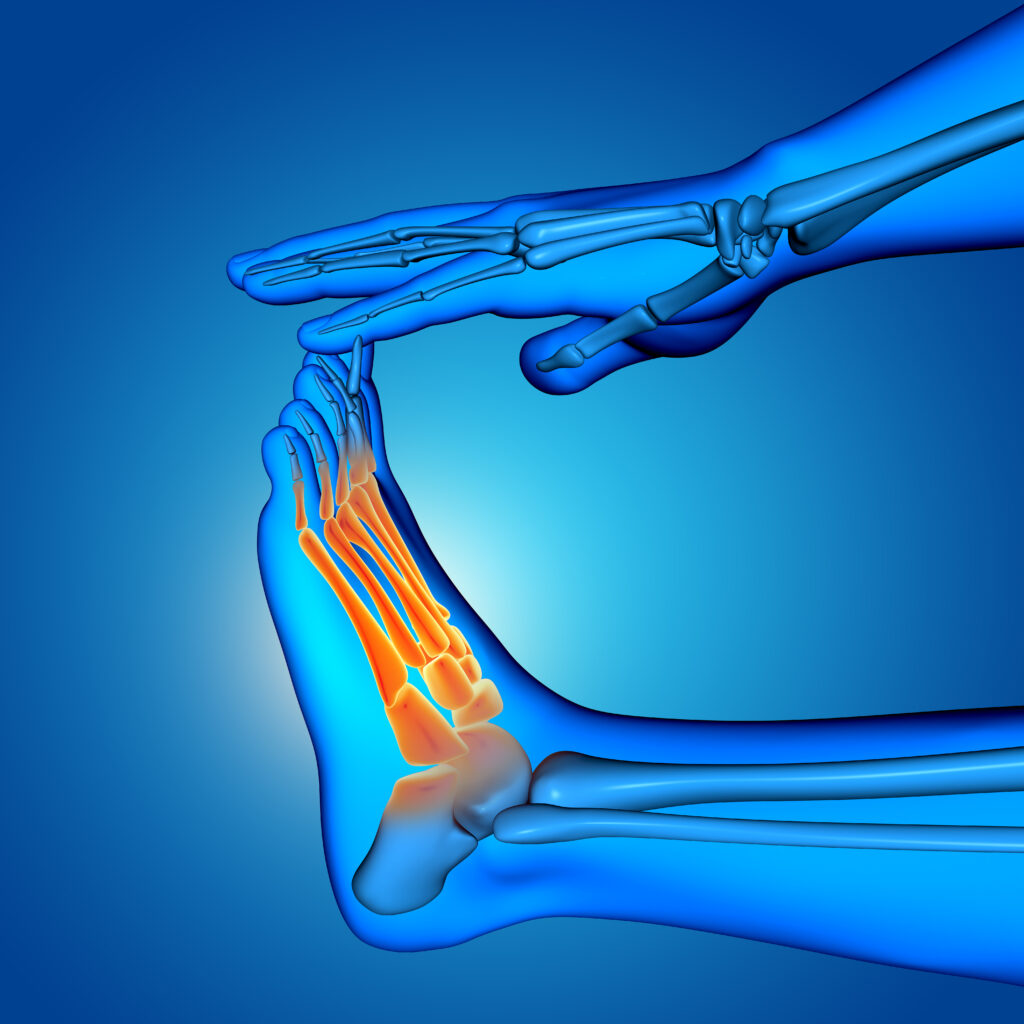
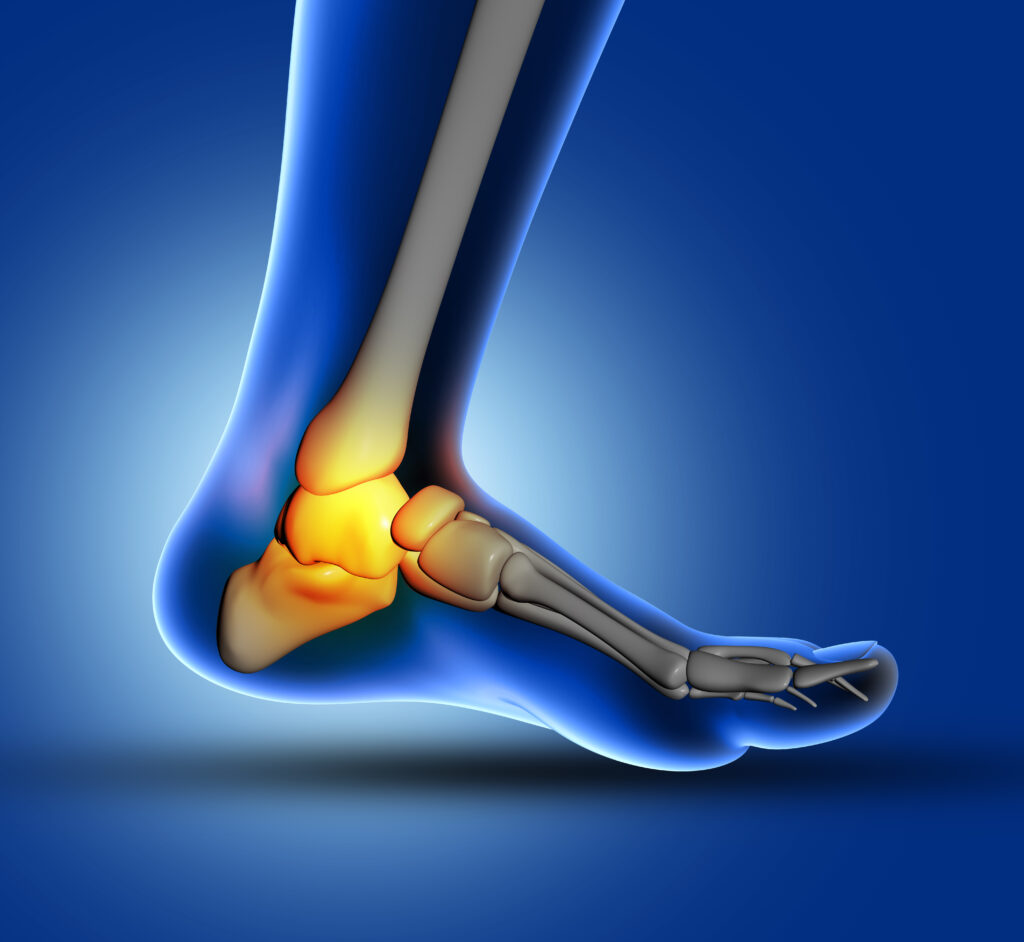
Peripheral neuropathy occurs when nerves outside the brain and spinal cord become damaged or affected. It commonly causes numbness, tingling, burning or stabbing pain, and weakness, particularly in the hands and feet.
Diabetes is one of the most common causes, but peripheral neuropathy can also result from vitamin deficiencies, infections, autoimmune conditions, certain medicines, injuries, toxins, and inherited disorders. Identifying the underlying cause through proper neurological evaluation can help guide treatment and prevent further nerve damage.
Peripheral neuropathy can affect sensory, motor, or autonomic nerves, so symptoms may involve sensation, movement, balance, or certain automatic body functions.
Persistent numbness, pins-and-needles, or tingling may begin in the feet or hands and gradually spread to other areas.
Nerve pain may feel burning, stabbing, shooting, throbbing, or like an electric shock in the affected areas.
Light touch, pressure, or contact with clothing or bedding may become unusually painful or uncomfortable in affected areas.
Damage to motor nerves can cause weakness, difficulty moving affected muscles, or problems performing routine physical activities.
Reduced sensation in the feet can affect coordination and balance, increasing difficulty while walking or maintaining a steady posture.
When autonomic nerves are affected, symptoms may include abnormal sweating, digestive problems, bladder difficulties, or changes in blood pressure.
Diabetes & Metabolic Conditions
Vitamin Deficiencies
Infectious & Toxic Causes
Family History
Diabetes
Alcohol Misuse
The neurologist reviews symptoms, their pattern and progression, medical conditions, medications, lifestyle factors, family history, and possible exposure to toxins or other risk factors.
The examination assesses sensation, muscle strength, reflexes, coordination, balance, and other neurological functions to identify the pattern of nerve involvement.
Blood tests may identify diabetes, vitamin deficiencies or other causes, while EMG and nerve conduction studies can assess nerve and muscle function.
The neurologist combines the clinical findings and investigation results to identify the likely cause, assess severity, and develop an individualized treatment and follow-up plan.
Managing conditions such as diabetes, vitamin deficiency, autoimmune disease, or other identified causes can help prevent further nerve damage.
Specific medicines may help reduce neuropathic pain, burning, tingling, or other uncomfortable sensations caused by damaged nerves.
Physiotherapy can improve strength, mobility, balance, and physical function when neuropathy causes weakness or difficulty with movement.
Protective footwear, regular foot checks, fall-prevention measures, and safe daily routines can reduce injuries when sensation is reduced.
Selected neuropathies may require specialized treatments such as immune therapies or procedures for nerve compression, depending on the underlying cause.
Consult Now
Persistent numbness, tingling, nerve pain, or weakness should be evaluated, especially when symptoms are worsening or beginning to affect walking, balance, or everyday activities.
✓ Persistent Numbness or Tingling.
✓ Burning or Severe Nerve Pain.
✓ Increasing Muscle Weakness.
✓ Difficulty Walking or Maintaining Balance.
✓ Loss of Sensation or Repeated Injuries.
✓ Sudden or Rapidly Worsening Weakness.
Peripheral neuropathy occurs when nerves outside the brain and spinal cord become damaged or affected. It commonly causes numbness, tingling, pain, or weakness, especially in the hands and feet.
Common symptoms include numbness, tingling, burning or stabbing pain, increased sensitivity, muscle weakness, balance problems, and changes in sweating or other automatic body functions.
Diabetes is a common cause, but neuropathy can also result from vitamin deficiencies, autoimmune conditions, infections, certain medicines, alcohol misuse, toxins, injuries, and inherited disorders.
Diagnosis usually involves a detailed medical history and neurological examination. Blood tests, EMG, nerve conduction studies, imaging, or other tests may be recommended to identify nerve damage and its possible cause.
Treatment depends on the underlying cause and may include managing the condition causing nerve damage, medicines for nerve pain, physiotherapy, protective measures, or specialized treatments for selected conditions.
Yes. Diabetes is one of the most common causes of peripheral neuropathy. Prolonged high blood sugar can damage nerves and the small blood vessels that supply them.
You should consider neurological evaluation when numbness, tingling, nerve pain, weakness, or balance problems persist, worsen, or begin affecting your daily activities. Early assessment can help identify the cause and guide treatment.
A consultation provides an opportunity to assess symptoms such as numbness, tingling, nerve pain, weakness, and balance problems and understand their possible cause. Based on the findings, appropriate investigations, treatment, and follow-up can be discussed.
Dedicated to providing expert neurological diagnosis, compassionate patient care, and advanced treatment for a wide range of neurological disorders.
1st Floor,Ananda Varsha,above DCB Bank, Municipal Colony, College Square, Cuttack
+91 9938541722
pitamberbehuria82@gmail.com
Mon - Sat: 2.00 PM - 7.00 PM
© 2026 Dr. Pitamber Behuria. All rights reserved.