
Comprehensive neurological evaluation and personalized treatment for movement disorders, helping manage tremors, stiffness, abnormal movements, balance problems, and related symptoms.
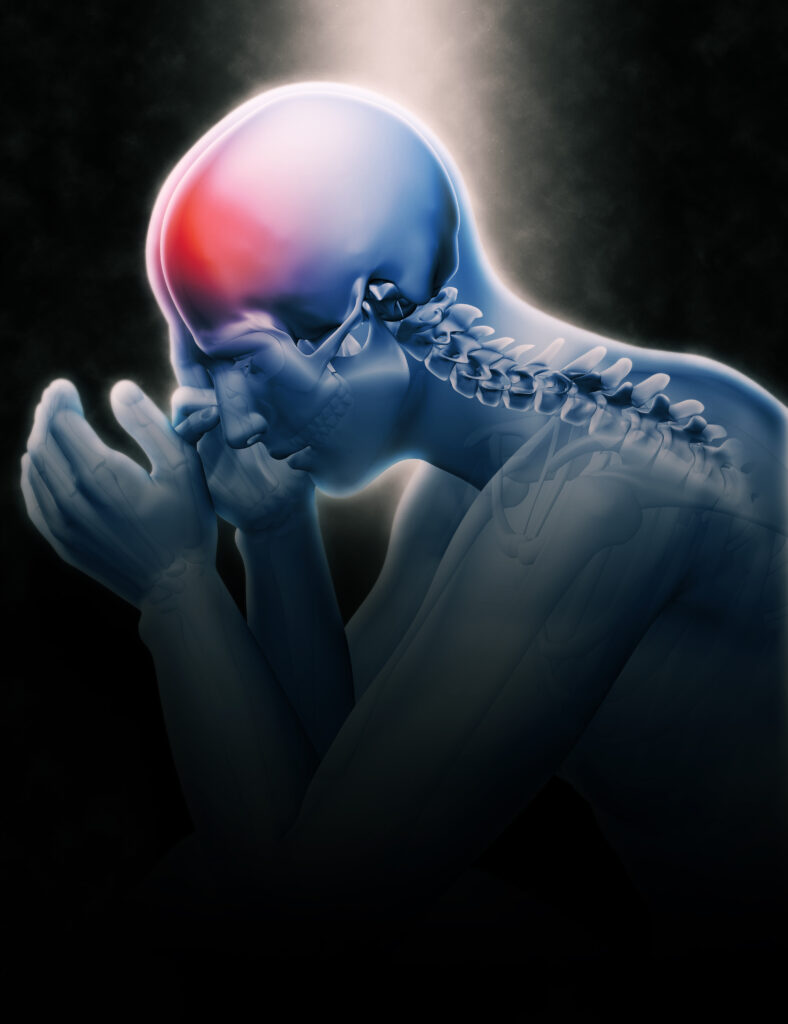
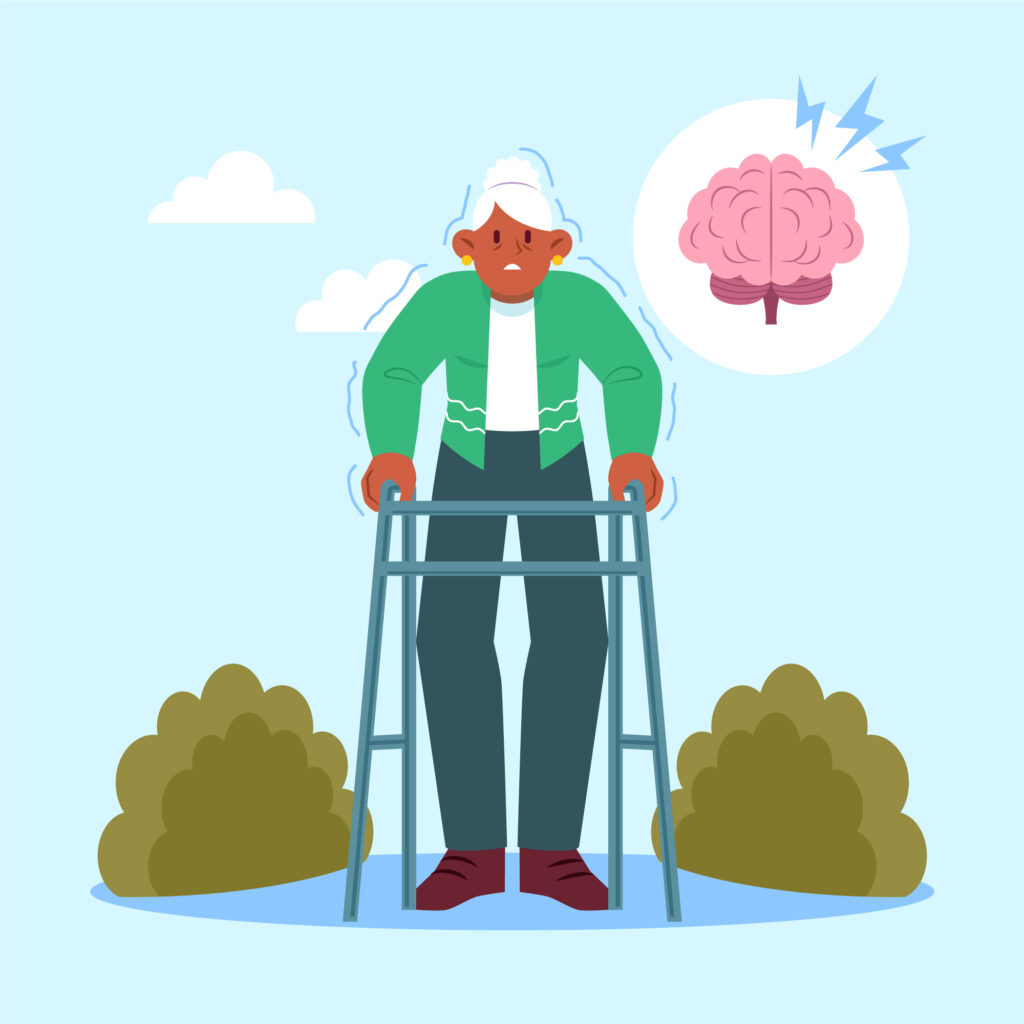
Movement disorders are a group of neurological conditions that affect the control and coordination of movement. They may cause excessive or involuntary movements such as tremors, jerking, spasms, or twisting, or lead to slower and more difficult movements.
Conditions such as Parkinson’s disease, essential tremor, dystonia, chorea, and myoclonus can affect movement in different ways. A detailed neurological evaluation can help identify the type and possible cause of the movement problem and guide appropriate treatment.
Movement disorders can affect different parts of the body and may involve both controlled and involuntary movements. Symptoms vary depending on the underlying condition.
Rhythmic or involuntary shaking may affect the hands, head, voice, or other parts of the body and can interfere with daily activities.
Movements may become slower or less coordinated, making activities such as walking, dressing, writing, or getting up more difficult.
Muscle stiffness or rigidity can restrict normal movement and may cause discomfort, reduced flexibility, or difficulty maintaining natural posture.
Uncontrolled movements such as jerking, twisting, spasms, or repetitive movements may occur in different movement disorders.
Changes in balance, coordination, or walking may make movement less steady and increase difficulty with everyday physical activities.
Some movement disorders can affect speech, voice, or swallowing, particularly when muscles involved in communication and eating are affected.
Genetic Conditions
Nervous System Changes
Medication-Related Causes
Family History
Increasing Age
Previous Brain Injury or Stroke
The neurologist reviews when symptoms began, how they have changed, affected body parts, possible triggers, medications, and their impact on daily activities.
A detailed examination assesses tremor, muscle tone, strength, coordination, walking, balance, posture, reflexes, and the pattern of abnormal movements.
Depending on the symptoms, blood tests, MRI or CT scans, EMG, genetic testing, or specialized movement assessments may be recommended.
The neurologist combines the clinical findings and test results to identify the likely movement disorder and develop an individualized management and follow-up plan.
Medicines may help control tremors, stiffness, abnormal movements, muscle spasms, or other symptoms depending on the underlying movement disorder.
Physiotherapy and guided exercise can improve strength, flexibility, balance, coordination, mobility, and confidence during everyday movement.
Occupational and speech therapy can support daily activities, communication, swallowing, and practical strategies for maintaining independence.
Selected conditions may benefit from treatments such as botulinum toxin injections or other targeted therapies to reduce specific abnormal movements.
For selected patients with severe symptoms, advanced options such as deep brain stimulation may be considered after detailed neurological evaluation.
Consult Now
Get a detailed neurological assessment to understand your symptoms and discuss an appropriate treatment and management plan.
✓ Persistent or Worsening Tremor.
✓ Increasing Slowness of Movement.
✓ Uncontrolled or Repetitive Movements.
✓ Changes in Walking or Balance.
✓ Muscle Stiffness or Abnormal Posture.
✓ Speech or Swallowing Difficulties.
Movement disorders are neurological conditions that affect the speed, control, coordination, or pattern of movement. They may cause excessive involuntary movements or make normal movements slower and more difficult.
Symptoms may include tremors, stiffness, involuntary movements, muscle spasms, balance problems, difficulty walking, coordination problems, or changes in speech and swallowing.
No. Tremors can occur in several conditions, including essential tremor and other movement disorders. A neurological assessment helps determine the likely cause and distinguish between different conditions.
Diagnosis usually begins with a detailed medical history and neurological examination. Depending on the symptoms, blood tests, brain imaging, EMG, genetic testing, or other investigations may be recommended.
Treatment depends on the specific condition and may include medicines, physiotherapy, occupational or speech therapy, botulinum toxin injections, or selected advanced treatments.
Yes. Physiotherapy can help improve mobility, strength, balance, coordination, flexibility, and safe movement depending on the underlying condition and individual needs.
You should consider neurological evaluation when tremors, stiffness, abnormal movements, balance problems, walking difficulties, or other movement changes persist or begin affecting daily activities.
A consultation provides an opportunity to assess unusual movements, tremors, stiffness, balance problems, or other neurological symptoms and understand their possible cause. Based on the findings, appropriate investigations, treatment, and follow-up can be discussed.
Dedicated to providing expert neurological diagnosis, compassionate patient care, and advanced treatment for a wide range of neurological disorders.
1st Floor,Ananda Varsha,above DCB Bank, Municipal Colony, College Square, Cuttack
+91 9938541722
pitamberbehuria82@gmail.com
Mon - Sat: 2.00 PM - 7.00 PM
© 2026 Dr. Pitamber Behuria. All rights reserved.