
Comprehensive neurological care for Parkinson’s disease with personalized treatment plans to manage movement symptoms, support daily function, and improve quality of life.
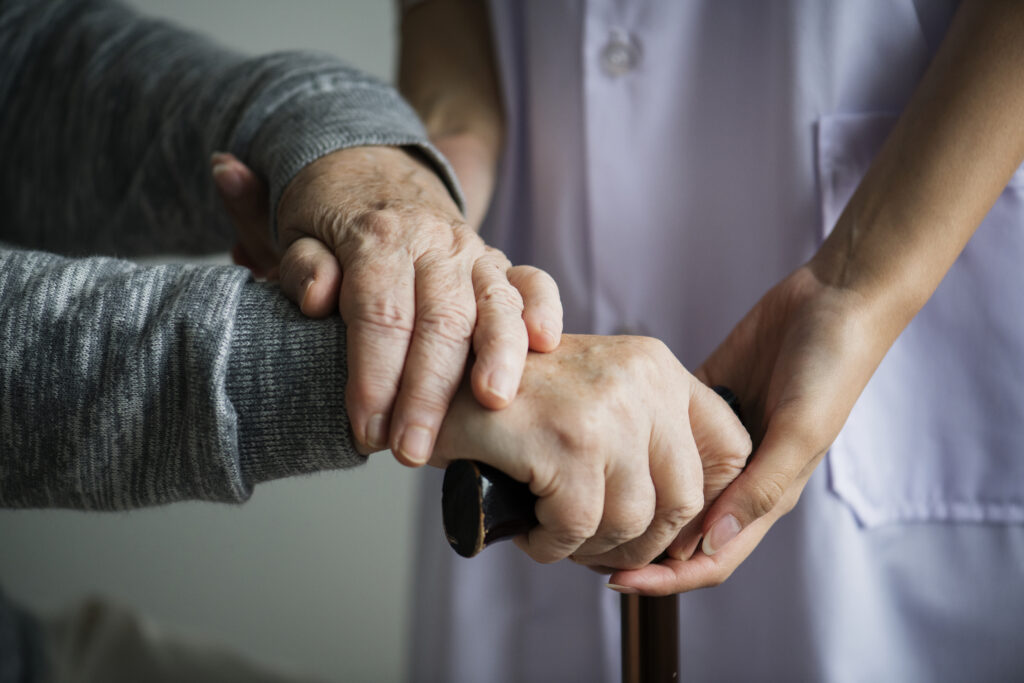

Parkinson’s disease is a progressive neurological disorder that primarily affects movement. It develops when certain nerve cells in the brain gradually become damaged or lost, leading to reduced dopamine activity and changes in movement control.
The condition varies from person to person and usually progresses gradually. Although there is currently no cure, medicines, rehabilitation, exercise, and selected advanced treatments can help manage symptoms and support daily functioning.
Parkinson’s disease can cause both movement-related and non-movement symptoms. The symptoms and their severity can vary from person to person.
Rhythmic shaking, often beginning in one hand or limb, may occur when the affected body part is at rest.
Movements may become slower, making everyday activities such as walking, dressing or getting up from a chair more difficult.
Muscle rigidity can cause stiffness, reduced range of movement and sometimes discomfort or pain.
Changes in posture, walking pattern and balance may increase difficulty with movement and the risk of falls.
Speech may become softer or less expressive, while handwriting may become smaller or more difficult to produce.
Sleep problems, constipation, reduced sense of smell, anxiety, depression or changes in thinking may occur alongside movement symptoms.
Changes in Brain Cells
Genetic Factors
Environmental Factors
Family History
Increasing Age
Environmental Exposure
The neurologist reviews when the symptoms began, how they have changed over time, which parts of the body are affected, and how the symptoms influence daily activities.
A detailed examination assesses movement, muscle tone, tremor, coordination, reflexes, walking, balance and other neurological functions to identify patterns associated with Parkinson’s disease.
There is no single routine test that confirms Parkinson’s disease. Blood tests and brain imaging such as MRI may be used when needed to rule out other conditions.
The neurologist combines the clinical findings and investigation results to determine whether the symptoms are consistent with Parkinson’s disease or another movement disorder, and then develops an individualized management plan.
Medicines such as levodopa-based treatments and other Parkinson’s medications may help improve movement symptoms and reduce difficulties with daily activities.
Physiotherapy, regular physical activity, strength training, gait and balance exercises can help maintain mobility, flexibility and physical function.
Speech and swallowing difficulties may develop in Parkinson’s disease. Specialist therapy can help address communication, voice and swallowing-related problems when required.
Regular sleep, balanced nutrition, physical activity and practical strategies for mobility and daily routines can support overall function and quality of life.
For selected patients with significant symptoms despite medication, treatments such as deep brain stimulation may be considered after detailed neurological evaluation.
Consult Now
Early assessment can help determine whether movement changes are related to Parkinson’s disease or another neurological condition. Consult a neurologist if persistent or progressive symptoms begin affecting movement or daily activities.
✓ Persistent Tremor.
✓ Increasing Slowness of Movement.
✓ Changes in Walking or Balance.
✓ Speech or Handwriting Changes.
✓ Movement Symptoms With Other Changes.
Parkinson’s disease is a progressive neurological disorder that primarily affects movement. It is associated with changes in brain cells involved in dopamine production and can also cause several non-movement symptoms.
Early symptoms may include a resting tremor, slowness of movement, muscle stiffness, changes in walking or posture, reduced arm swing, softer speech and changes in handwriting. Non-movement symptoms such as sleep problems or reduced sense of smell may also occur.
No. Tremor can have many causes, and several movement disorders can produce symptoms similar to Parkinson’s disease. A neurological assessment is important to determine the likely cause.
There is currently no single test that confirms Parkinson’s disease. Diagnosis is mainly based on medical history, symptoms and neurological examination. Blood tests or imaging may be recommended when necessary to rule out other conditions.
Although there is currently no cure, treatment can help manage symptoms and maintain function. Depending on the individual, treatment may include medicines, exercise, physiotherapy, speech therapy and selected advanced treatments.
Regular physical activity and appropriate exercise can help support strength, flexibility, walking, balance and overall function. A physiotherapist or healthcare professional can help develop an exercise plan suited to the individual’s condition.
You should consider neurological evaluation when tremor, stiffness, slowness of movement, balance problems, walking changes or other progressive symptoms begin affecting your daily activities. Early assessment can also help distinguish Parkinson’s disease from other conditions with similar symptoms.
A consultation provides an opportunity for detailed neurological assessment, evaluation of movement symptoms and appropriate diagnostic planning. Based on the findings, an individualized approach to symptom management and long-term care can be discussed.
Dedicated to providing expert neurological diagnosis, compassionate patient care, and advanced treatment for a wide range of neurological disorders.
1st Floor,Ananda Varsha,above DCB Bank, Municipal Colony, College Square, Cuttack
+91 9938541722
pitamberbehuria82@gmail.com
Mon - Sat: 2.00 PM - 7.00 PM
© 2026 Dr. Pitamber Behuria. All rights reserved.