Stroke is a medical emergency that occurs when blood flow to part of the brain is blocked or when a blood vessel in the brain ruptures. Early recognition, rapid diagnosis and timely treatment can help reduce brain damage and improve recovery.
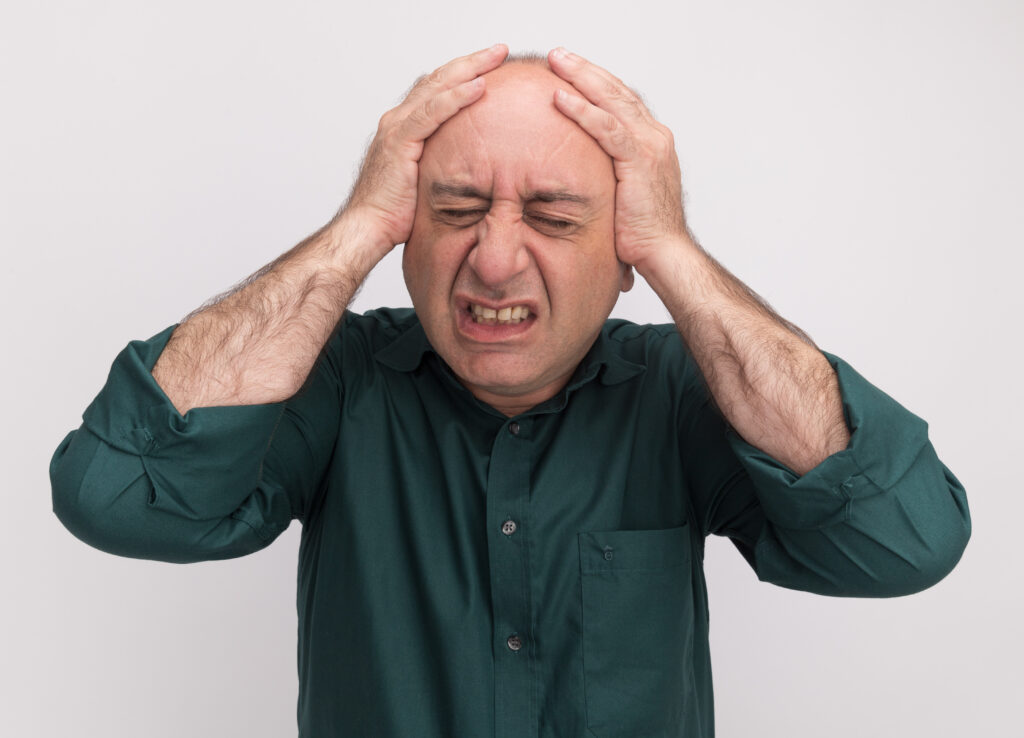
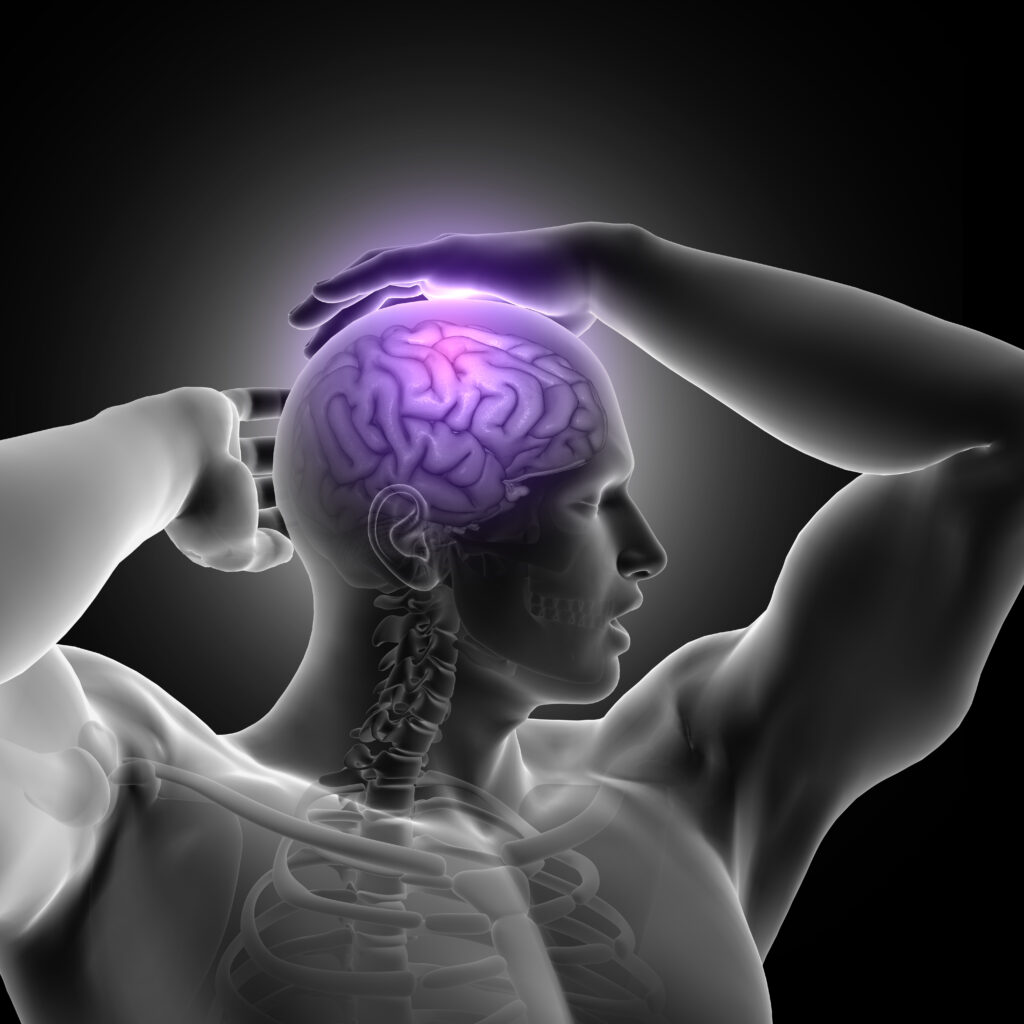
A stroke occurs when part of the brain does not receive enough blood and oxygen. This can happen because a blood vessel is blocked, known as an ischemic stroke, or because a blood vessel ruptures and causes bleeding, known as a hemorrhagic stroke.
When blood supply to the brain is interrupted, brain cells can begin to become damaged within minutes. This is why recognizing symptoms and getting emergency medical attention as quickly as possible is critical. Although the exact cause is not always known, chronic migraine is linked to changes in brain activity, genetics, and environmental triggers. Early diagnosis and a personalized treatment plan can help reduce migraine frequency, manage symptoms, and improve long-term well-being.
Stroke symptoms usually appear suddenly. Recognizing these warning signs can help you seek emergency medical care without delay.
Sudden weakness or drooping on one side of the face, especially when smiling.
Sudden numbness or weakness in one arm or one side of the body.
Sudden slurred speech, difficulty speaking or trouble understanding what others are saying.
Sudden blurred or reduced vision in one or both eyes.
Sudden dizziness, difficulty walking, loss of coordination or problems with balance.
A sudden, severe headache without a known cause, particularly when accompanied by other neurological symptoms.
Blood Clot
Narrowed Arteries
Ruptured Blood Vessel
High Blood Pressure
Diabetes & High Cholesterol
Smoking & Excess Alcohol
Rapid medical treatment focuses on stabilizing the patient and limiting further brain injury.
For eligible ischemic stroke patients, thrombolytic medication may be used to dissolve the blood clot and restore blood flow.
In selected patients with certain large-vessel blockages, a catheter-based procedure may be used to remove the clot and restore blood flow.
Treatment focuses on controlling bleeding, managing brain pressure and addressing the underlying cause when necessary.
Managing blood pressure, diabetes, cholesterol, heart conditions and other risk factors can help reduce the risk of another stroke.
Consult Now
If you or someone around you suddenly develops symptoms that could indicate a stroke, do not wait for the symptoms to improve. Seek emergency medical care immediately.
✓ One side of the face droops when smiling.
✓ One arm becomes weak or drifts downward.
✓ Speech becomes slurred, strange or difficult to understand.
✓ Every minute matters. Seek emergency medical help immediately and note the time the symptoms started.
✓ Even if the symptoms disappear, medical evaluation is still important because a transient ischemic attack (TIA) can be a warning of a future stroke.
Dedicated to providing expert neurological diagnosis, compassionate patient care, and advanced treatment for a wide range of neurological disorders.
1st Floor,Ananda Varsha,above DCB Bank, Municipal Colony, College Square, Cuttack
+91 9938541722
pitamberbehuria82@gmail.com
Mon - Sat: 2.00 PM - 7.00 PM
© 2026 Dr. Pitamber Behuria. All rights reserved.